

Do I need to reinforce my roof for pc roof tiles?
Sep 17, 2025
Leave a message
When it comes to roofing solutions, PC (polycarbonate) roof tiles have gained significant popularity in recent years. As a supplier of high - quality PC roof tiles, I often receive inquiries from customers about whether they need to reinforce their roofs for these tiles. In this blog post, I will delve into this crucial question and provide you with a comprehensive analysis to help you make an informed decision.
Understanding PC Roof Tiles
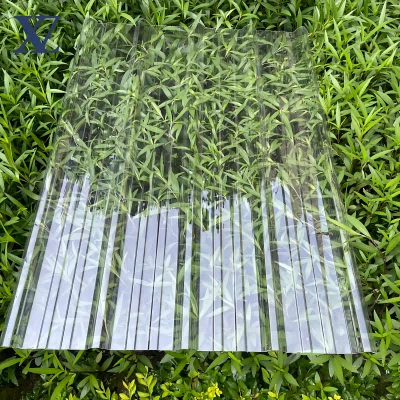
PC roof tiles are made from polycarbonate, a thermoplastic polymer known for its exceptional strength, light - weight, and transparency. These tiles come in various colors and styles, such as the Dark Brown Transparent PC Roof Tile, Translucent Polycarbonate Roof Panel, and Grey Transparent PC Roof Tile. They offer numerous advantages over traditional roofing materials, including high impact resistance, UV protection, and energy efficiency.
Factors to Consider
1. Existing Roof Structure
The first factor to consider is the condition and strength of your existing roof structure. If your roof is relatively new and was built to code, it may be able to support the weight of PC roof tiles without additional reinforcement. However, if your roof is old, damaged, or has a weak structure, reinforcement may be necessary. For example, if the rafters are spaced too far apart or are made of inferior materials, they may not be able to bear the load of the tiles, especially in areas with heavy snowfall or high winds.
2. Weight of PC Roof Tiles
PC roof tiles are generally much lighter than traditional roofing materials such as clay or concrete tiles. This is one of their key advantages, as it reduces the overall load on the roof structure. On average, PC roof tiles weigh around 1 - 3 kg per square meter, while clay tiles can weigh up to 50 kg per square meter. In most cases, the light weight of PC roof tiles means that reinforcement is not required. However, it is still important to calculate the total weight of the tiles and compare it to the load - bearing capacity of your roof.
3. Local Climate Conditions
The climate in your area also plays a significant role in determining whether roof reinforcement is needed. In regions with heavy snowfall, the additional weight of snow on the roof can put extra stress on the structure. Similarly, areas prone to high winds or hurricanes require a more robust roof system to withstand the forces. If you live in such an area, it is advisable to consult a structural engineer to assess the need for reinforcement.
4. Installation Method
The way the PC roof tiles are installed can also affect the need for reinforcement. Proper installation is crucial to ensure that the tiles are securely attached to the roof and that the load is evenly distributed. If the tiles are not installed correctly, it can lead to uneven stress on the roof structure, which may require reinforcement. It is recommended to hire a professional installer who has experience with PC roof tiles to ensure a proper installation.
Assessing the Need for Reinforcement
To determine whether you need to reinforce your roof for PC roof tiles, you can follow these steps:
1. Consult a Professional
A structural engineer or a roofing contractor can conduct a thorough inspection of your roof. They will assess the condition of the existing structure, calculate the load - bearing capacity, and determine if reinforcement is necessary. Their expertise and experience can provide you with an accurate assessment and recommendations.
2. Review Building Codes
Check the local building codes in your area. Building codes specify the minimum requirements for roof structures, including load - bearing capacity. Make sure that your roof meets these requirements before installing PC roof tiles. If your roof does not meet the codes, reinforcement may be required.
3. Calculate the Load
Calculate the total weight of the PC roof tiles, including any additional accessories such as flashing and gutters. Add this weight to the existing load on the roof, such as snow and wind loads. Compare the total load to the load - bearing capacity of your roof. If the total load exceeds the capacity, reinforcement is likely necessary.
Benefits of Reinforcement (if needed)
If it is determined that your roof needs reinforcement, there are several benefits to doing so.
1. Increased Safety
Reinforcing the roof ensures that it can safely support the weight of the PC roof tiles and withstand external forces such as snow, wind, and earthquakes. This provides peace of mind knowing that your roof is structurally sound and less likely to fail.
2. Extended Roof Lifespan
A reinforced roof is more durable and can last longer. It reduces the risk of structural damage and premature wear and tear, which can save you money in the long run on repairs and replacements.
3. Improved Energy Efficiency
A well - reinforced roof can also improve the energy efficiency of your home. It helps to maintain a more stable indoor temperature, reducing the need for heating and cooling, and ultimately lowering your energy bills.
Conclusion
In conclusion, whether you need to reinforce your roof for PC roof tiles depends on several factors, including the existing roof structure, the weight of the tiles, local climate conditions, and the installation method. In many cases, the light weight of PC roof tiles means that reinforcement is not required. However, it is always advisable to consult a professional to assess your specific situation.
If you are considering installing PC roof tiles, our company offers a wide range of high - quality products, including the Dark Brown Transparent PC Roof Tile, Translucent Polycarbonate Roof Panel, and Grey Transparent PC Roof Tile. Our team of experts can assist you in determining the best roofing solution for your needs and provide guidance on installation and reinforcement if necessary. Contact us today to start the conversation about your roofing project.

References
- "Roofing Materials and Their Properties" - Journal of Building Construction
- "Structural Design for Roofs in Different Climates" - International Journal of Structural Engineering