

Do frp transparent roof tiles need to be reinforced during installation?
Nov 13, 2025
Leave a message
Hey there! As a supplier of FRP transparent roof tiles, I often get asked whether these tiles need to be reinforced during installation. Well, let's dig into this topic and find out.
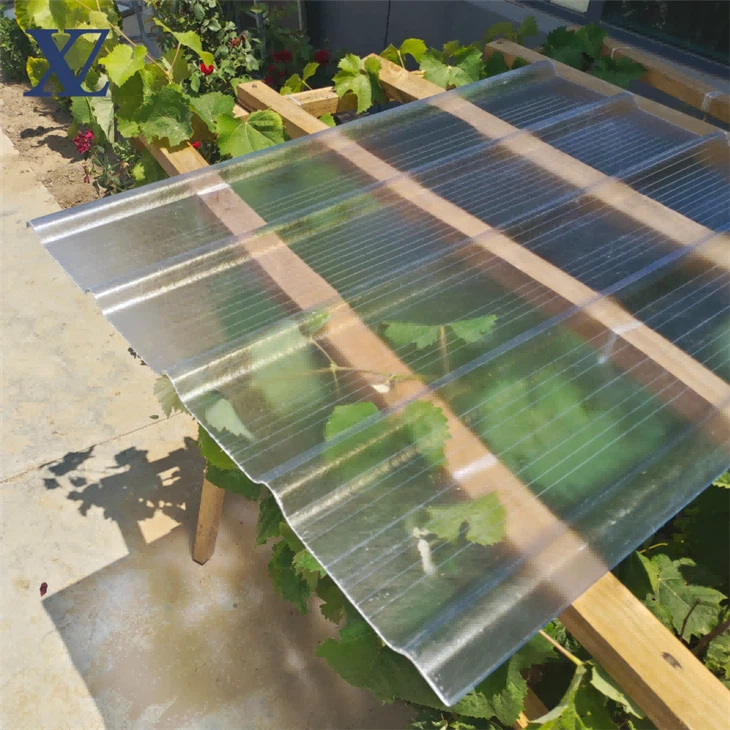
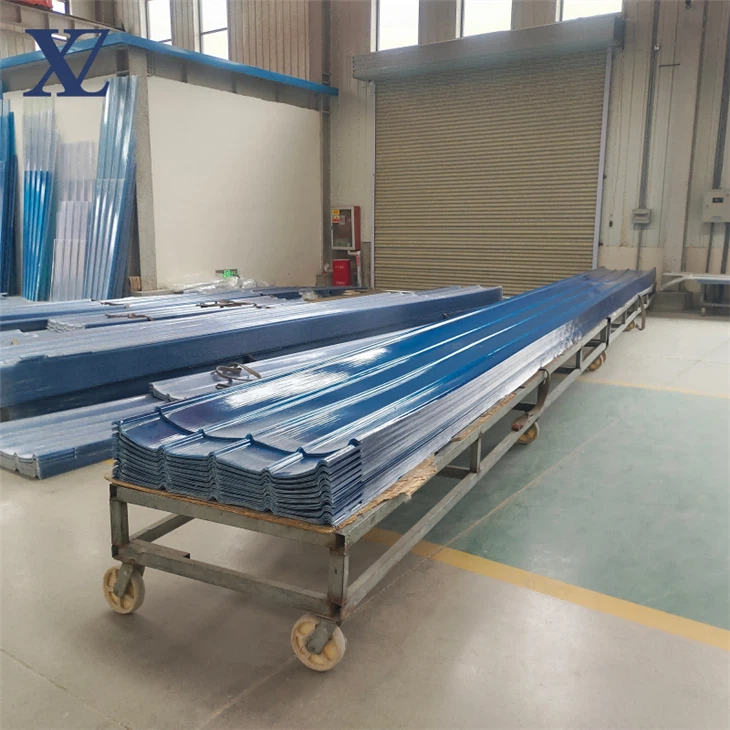
First off, let's understand what FRP transparent roof tiles are. FRP stands for Fiberglass Reinforced Plastic. These tiles are super popular because they're lightweight, have good transparency, and are resistant to corrosion and weathering. They come in different types, like the FRP Transparent Roofing Sheet, FRP Skylight Sheet, and FRP Corrugated Sheet. Each type has its own unique features and uses.
Now, back to the main question: do they need reinforcement? The answer isn't a simple yes or no. It depends on a few factors.
Factors to Consider
1. Location and Climate
If you're installing the FRP transparent roof tiles in an area with harsh weather conditions, like strong winds, heavy snow, or frequent hailstorms, reinforcement might be a good idea. For example, in coastal regions where hurricanes are common, the wind can put a lot of stress on the roof. Without proper reinforcement, the tiles could get damaged or even blown off.
In areas with heavy snowfall, the weight of the snow can also be a problem. FRP tiles are lightweight, but too much snow can cause them to sag or break. Reinforcement can help distribute the weight evenly and prevent damage.
On the other hand, if you're in a region with mild weather, the tiles might not need extra reinforcement. For instance, in some parts of the Mediterranean where the climate is relatively stable, the tiles can usually handle normal conditions without any issues.
2. Building Structure
The structure of the building also plays a role. If the building has a weak or unstable roof structure, the FRP tiles may need to be reinforced to ensure they're properly supported. For example, if the roof trusses are old or damaged, the tiles could be at risk of failure.
In contrast, a well-built and sturdy roof structure can provide sufficient support for the tiles without the need for additional reinforcement. Modern buildings with strong steel or concrete frames are often able to handle the load of FRP tiles without any problems.
3. Tile Thickness and Quality
The thickness and quality of the FRP tiles themselves are important factors. Thicker tiles are generally stronger and more durable, and may not require as much reinforcement as thinner ones. High-quality tiles are also less likely to crack or break under stress.
When choosing FRP tiles, it's important to look for ones that meet industry standards and have been tested for strength and durability. Cheaper, low-quality tiles may seem like a good deal at first, but they could end up costing you more in the long run if they need to be replaced or reinforced.
Types of Reinforcement
If you do decide that reinforcement is necessary, there are a few different options available.
1. Support Frames
One common method is to use support frames. These can be made of metal or wood and are installed beneath the tiles to provide additional support. The frames help distribute the weight of the tiles and any external loads evenly, reducing the risk of damage.
For example, a metal support frame can be attached to the roof structure and the FRP tiles can be secured to it. This creates a more stable and durable installation.
2. Additional Fasteners
Using additional fasteners is another way to reinforce the tiles. Instead of just using the standard number of screws or nails, you can add more to ensure the tiles are firmly attached to the roof. This can help prevent the tiles from lifting or shifting during high winds or other extreme conditions.
However, it's important to use the right type of fasteners and to install them correctly. Using the wrong fasteners or over-tightening them can damage the tiles.
3. Reinforcing Strips
Reinforcing strips can also be used to strengthen the tiles. These strips are usually made of fiberglass or other strong materials and are applied to the surface of the tiles. They can help prevent cracks from spreading and increase the overall strength of the tiles.
Installation Tips
Whether or not you're reinforcing the FRP transparent roof tiles, proper installation is crucial. Here are some tips to ensure a successful installation:
- Prepare the Surface: Make sure the roof surface is clean, dry, and free of any debris or sharp objects. This will help the tiles adhere properly and prevent damage.
- Follow the Manufacturer's Instructions: Each type of FRP tile may have specific installation instructions. It's important to follow these carefully to ensure the tiles are installed correctly and safely.
- Use the Right Tools: Using the right tools for the job can make the installation process easier and more efficient. Make sure you have all the necessary tools, such as a drill, screwdriver, and measuring tape.
- Check for Proper Alignment: During installation, check that the tiles are properly aligned and spaced. This will ensure a neat and professional-looking finish.
Conclusion
So, do FRP transparent roof tiles need to be reinforced during installation? It really depends on the specific circumstances. By considering factors like location, building structure, tile thickness, and quality, you can make an informed decision about whether reinforcement is necessary.
If you're still not sure, it's always a good idea to consult with a professional installer or a structural engineer. They can assess your situation and provide expert advice on the best course of action.
If you're interested in purchasing FRP transparent roof tiles or have any questions about installation or reinforcement, feel free to get in touch. We're here to help you find the right solution for your needs.
References
- "Fiberglass Reinforced Plastic (FRP) Roofing: A Comprehensive Guide." Roofing Magazine, 2022.
- "Building Codes and Standards for FRP Roofing." National Building Code Association, 2023.
- "Testing and Evaluation of FRP Roof Tiles." Institute of Building Science, 2021.