

Do frp transparent roof tiles have a high light - transmission rate?
Jul 25, 2025
Leave a message
As a supplier of FRP transparent roof tiles, I often encounter inquiries from customers regarding the light-transmission rate of these products. This topic is crucial as it directly impacts the functionality and energy efficiency of buildings where these tiles are installed. In this blog post, I'll delve into the factors influencing the light-transmission rate of FRP transparent roof tiles, compare them with other roofing materials, and provide real-world examples to help you make an informed decision.
Understanding FRP Transparent Roof Tiles
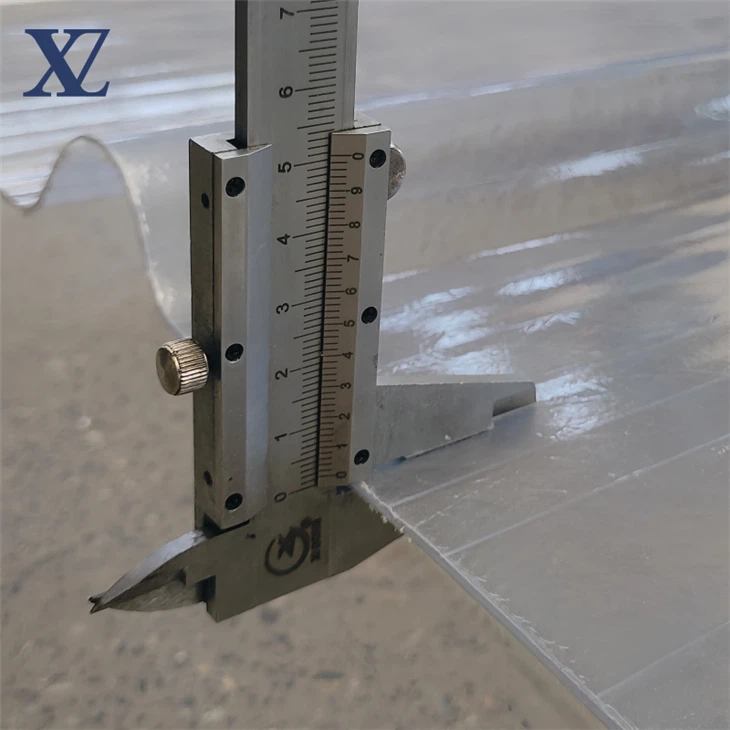
FRP, or Fiberglass Reinforced Plastic, is a composite material made of a polymer matrix reinforced with fiberglass. Transparent FRP roof tiles are manufactured by embedding fiberglass within a resin matrix, which can be formulated to achieve different levels of transparency. These tiles are known for their durability, lightweight nature, and resistance to corrosion, making them a popular choice for various applications, including industrial buildings, agricultural structures, and residential skylights.
The Science Behind Light Transmission
The light-transmission rate of FRP transparent roof tiles is determined by several factors, including the type of resin used, the thickness of the tile, and the presence of additives or pigments. Resins play a crucial role in determining the optical properties of the tile. For example, polycarbonate resins are known for their high clarity and excellent light transmission, while polyester resins can be formulated to provide a balance between transparency and UV resistance.
The thickness of the tile also affects light transmission. Thicker tiles generally have a lower light-transmission rate compared to thinner ones. However, thicker tiles may offer better insulation and structural integrity. Manufacturers can optimize the thickness of the tile to achieve the desired balance between light transmission and other performance characteristics.
Additives and pigments can be incorporated into the resin matrix to enhance specific properties of the tile, such as UV resistance or color. However, these additives can also reduce the light-transmission rate. For example, UV stabilizers are commonly added to FRP roof tiles to protect them from the harmful effects of sunlight. While these stabilizers are essential for the longevity of the tile, they can slightly reduce the amount of light that passes through.
Comparing FRP Transparent Roof Tiles with Other Roofing Materials
To understand the significance of the light-transmission rate of FRP transparent roof tiles, it's helpful to compare them with other common roofing materials.
Glass
Glass is known for its high light-transmission rate, often exceeding 90%. However, glass is heavy, brittle, and expensive. It also requires careful installation and maintenance to prevent breakage. In contrast, FRP transparent roof tiles are lightweight, shatterproof, and more cost-effective. While their light-transmission rate may be slightly lower than that of glass, they offer significant advantages in terms of durability and ease of installation.

Polycarbonate Sheets
Polycarbonate sheets are another popular choice for transparent roofing applications. They have a high light-transmission rate, typically ranging from 80% to 90%. Polycarbonate sheets are also lightweight and impact-resistant. However, they are more prone to scratching and yellowing over time compared to FRP transparent roof tiles. FRP tiles offer better long-term performance and are more resistant to environmental factors, such as UV radiation and chemical exposure.
Traditional Roofing Materials
Traditional roofing materials, such as asphalt shingles, metal roofing, and clay tiles, have very low light-transmission rates. These materials are designed primarily for protection against the elements and do not allow natural light to penetrate the building. In contrast, FRP transparent roof tiles can significantly reduce the need for artificial lighting during the day, leading to energy savings and a more comfortable indoor environment.
Real-World Examples of FRP Transparent Roof Tiles
To illustrate the benefits of FRP transparent roof tiles with a high light-transmission rate, let's look at some real-world examples.
Industrial Buildings
In industrial buildings, natural light can improve productivity and reduce energy costs. A large manufacturing facility installed FRP Transparent Roofing Sheet with a light-transmission rate of 70%. The result was a significant reduction in the use of artificial lighting during the day, leading to substantial energy savings. Employees also reported a more comfortable and pleasant working environment, which contributed to increased productivity.
Agricultural Structures
In agricultural structures, such as greenhouses, natural light is essential for plant growth. A greenhouse owner installed Transparent Fiberglass Roof Tiles with a high light-transmission rate to provide optimal sunlight for the plants. The transparent roof tiles allowed for uniform light distribution, promoting healthy plant growth and reducing the need for artificial lighting. This not only saved energy but also improved the quality and yield of the crops.
Residential Skylights
In residential buildings, skylights can enhance the aesthetics and functionality of the space. A homeowner installed FRP Skylight Sheet in their living room to bring in natural light. The high light-transmission rate of the skylight sheet created a bright and airy atmosphere, making the room more inviting and comfortable. The lightweight and easy-to-install nature of the FRP skylight sheet also made the installation process hassle-free.
Factors to Consider When Choosing FRP Transparent Roof Tiles
When selecting FRP transparent roof tiles, it's important to consider the following factors to ensure you get the best light-transmission rate for your specific needs:
Application
The intended application of the roof tiles will determine the required light-transmission rate. For example, if you're installing the tiles in a greenhouse, you'll need a high light-transmission rate to promote plant growth. On the other hand, if you're using the tiles in a residential building, you may want to balance the light transmission with privacy and insulation requirements.
Location
The location of the building also plays a role in determining the appropriate light-transmission rate. Buildings in sunny regions may require tiles with a lower light-transmission rate to prevent overheating, while buildings in areas with less sunlight may benefit from tiles with a higher light-transmission rate.
Manufacturer
Choose a reputable manufacturer that offers high-quality FRP transparent roof tiles. A reliable manufacturer will provide detailed information about the light-transmission rate and other performance characteristics of their products. They will also offer warranties and support to ensure your satisfaction.
Conclusion
In conclusion, FRP transparent roof tiles can have a high light-transmission rate, depending on the specific product and its formulation. While their light-transmission rate may not be as high as that of glass, they offer numerous advantages in terms of durability, lightweight, and cost-effectiveness. By carefully considering the factors influencing light transmission and choosing the right product for your application, you can enjoy the benefits of natural light in your building while reducing energy costs and enhancing the indoor environment.
If you're interested in learning more about our FRP transparent roof tiles or would like to discuss your specific requirements, please don't hesitate to contact us. We're here to help you make the best decision for your project.
References
- ASTM International. (2023). Standard Specification for Fiberglass Reinforced Plastic (FRP) Panels for Building Construction. ASTM D3679 - 23.
- Composites World. (2022). The Science of Fiberglass Reinforced Plastic. Retrieved from [Composites World Website]
- National Renewable Energy Laboratory. (2021). Benefits of Daylighting in Buildings. Retrieved from [NREL Website]