

Do frp transparent roof tiles comply with building codes?
Oct 24, 2025
Leave a message
As a supplier of FRP transparent roof tiles, I often encounter inquiries from clients about whether these tiles comply with building codes. This is a crucial question as building codes are in place to ensure the safety, durability, and functionality of construction materials. In this blog, I will delve into the topic to provide a comprehensive understanding of the compliance of FRP transparent roof tiles with building codes.
Understanding Building Codes
Building codes are sets of regulations established by local, state, or national authorities to govern the design, construction, and maintenance of buildings. These codes cover a wide range of aspects, including structural integrity, fire safety, energy efficiency, and environmental impact. Compliance with building codes is not only a legal requirement but also a way to guarantee the quality and safety of a building project.
FRP Transparent Roof Tiles: An Overview
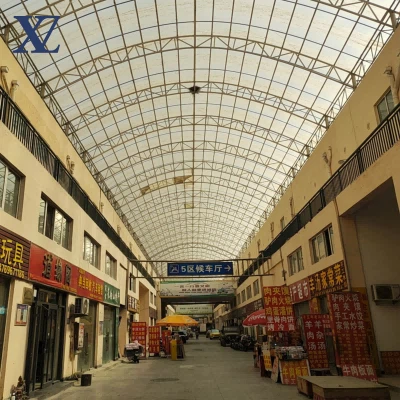
FRP, or fiberglass-reinforced plastic, transparent roof tiles are a popular choice for many construction projects due to their numerous advantages. They offer excellent light transmission, which can reduce the need for artificial lighting during the day, leading to energy savings. Additionally, they are lightweight, durable, and resistant to corrosion, making them suitable for various environments.
There are different types of FRP transparent roof tiles available in the market, such as FRP Skylight Sheet, FRP Transparent Roofing Sheet, and Transparent Fiberglass Roof Tiles. Each type has its own unique features and applications, but they all share the common characteristics of being made from FRP and providing transparency.
Compliance with Structural Requirements
One of the primary concerns in building codes is the structural integrity of a building. FRP transparent roof tiles are designed to meet specific structural requirements. They are engineered to withstand various loads, including snow, wind, and the weight of the tiles themselves.
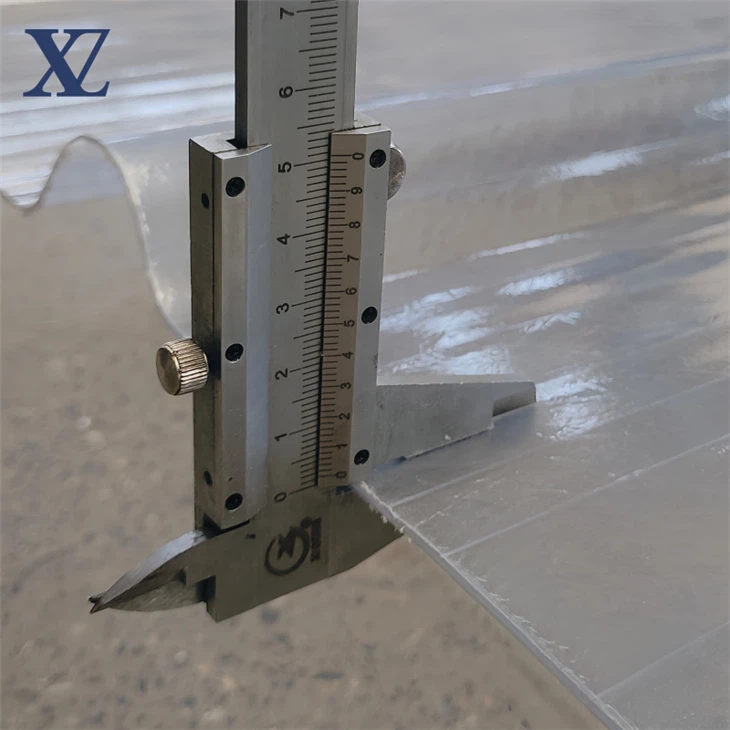
Most FRP roof tiles are tested to ensure they can support a certain amount of weight per square foot. For example, in areas with heavy snowfall, the tiles need to be able to bear the weight of the accumulated snow without collapsing. Our FRP transparent roof tiles are manufactured using high-quality fiberglass and resin, which provide excellent strength and stiffness. They are also designed with appropriate profiles and thicknesses to enhance their load-bearing capacity.
In addition to load-bearing capacity, the installation of FRP transparent roof tiles also needs to comply with structural requirements. Proper installation techniques, such as using the correct fasteners and ensuring adequate support, are essential to ensure the tiles are securely attached to the roof structure. Our company provides detailed installation instructions to ensure that our clients can install the tiles correctly and meet the structural requirements of the building codes.
Fire Safety Compliance
Fire safety is another critical aspect of building codes. FRP transparent roof tiles need to meet certain fire safety standards to prevent the spread of fire in case of an emergency.
There are different fire ratings for construction materials, and FRP roof tiles can be manufactured to meet specific fire safety requirements. For example, some FRP tiles are treated with fire-retardant chemicals to reduce their flammability. These tiles are classified as having a certain fire rating, such as Class A, B, or C, depending on their performance in fire tests.
Our company offers FRP transparent roof tiles with different fire ratings to meet the diverse needs of our clients. We ensure that our tiles are tested in accordance with relevant fire safety standards, such as ASTM E84, which measures the surface burning characteristics of building materials. By choosing our fire-rated FRP roof tiles, our clients can be confident that they are complying with the fire safety requirements of the building codes.
Energy Efficiency
Energy efficiency is becoming increasingly important in building codes as the world focuses on reducing energy consumption and environmental impact. FRP transparent roof tiles can contribute to energy efficiency in a building.
As mentioned earlier, the transparency of FRP roof tiles allows natural light to enter the building, reducing the need for artificial lighting during the day. This can lead to significant energy savings, especially in large commercial buildings. Additionally, some FRP tiles are designed with insulating properties to reduce heat transfer through the roof, which can also help to lower energy costs for heating and cooling.
Our company is committed to developing FRP transparent roof tiles that are energy-efficient. We use advanced manufacturing techniques and materials to improve the insulation properties of our tiles. For example, we may incorporate air pockets or insulating layers in the tile design to enhance their thermal performance. By choosing our energy-efficient FRP roof tiles, our clients can not only comply with the energy efficiency requirements of the building codes but also save on energy costs in the long run.
Environmental Impact
Building codes also take into account the environmental impact of construction materials. FRP transparent roof tiles have several environmental benefits.
They are made from recyclable materials, such as fiberglass and resin, which can be reused or recycled at the end of their lifespan. This reduces the amount of waste sent to landfills and conserves natural resources. Additionally, the energy savings achieved through the use of FRP roof tiles can also contribute to a reduction in greenhouse gas emissions.
Our company is dedicated to sustainable manufacturing practices. We strive to minimize the environmental impact of our production processes by using eco-friendly materials and reducing waste. We also ensure that our FRP transparent roof tiles are compliant with relevant environmental regulations, such as those related to the use of hazardous substances.
Regional Variations in Building Codes
It's important to note that building codes can vary from region to region. Different areas may have different requirements based on factors such as climate, seismic activity, and local building practices.
Before using FRP transparent roof tiles in a construction project, it's essential to check the specific building codes of the area. Our company has a team of experts who are familiar with the building codes in different regions. We can provide our clients with detailed information and guidance on how our FRP roof tiles can comply with the local building codes.
Conclusion
In conclusion, FRP transparent roof tiles can comply with building codes when they are manufactured, installed, and used correctly. Our company, as a supplier of FRP transparent roof tiles, is committed to providing high-quality products that meet the various requirements of building codes.
We offer a wide range of FRP transparent roof tiles, including FRP Skylight Sheet, FRP Transparent Roofing Sheet, and Transparent Fiberglass Roof Tiles, which are designed to meet the structural, fire safety, energy efficiency, and environmental requirements of building codes.
If you are considering using FRP transparent roof tiles in your construction project, we encourage you to contact us for more information. Our team of experts can help you choose the right type of tiles for your specific needs and ensure that you comply with the relevant building codes. We look forward to the opportunity to work with you and provide you with the best FRP transparent roof tile solutions.
References
- ASTM International. (n.d.). ASTM E84 - Standard Test Method for Surface Burning Characteristics of Building Materials. Retrieved from ASTM website.
- Local building code authorities. (n.d.). Building codes for [specific region]. Retrieved from relevant local government websites.