

Do asa pvc composite roof tiles require any special ventilation?
Dec 18, 2025
Leave a message
When it comes to roofing materials, ASA PVC composite roof tiles have gained significant popularity in recent years. As a supplier of these high - quality roof tiles, I often receive questions from customers about various aspects of their installation and maintenance, one of the most common being whether ASA PVC composite roof tiles require any special ventilation. In this blog post, I will delve into this topic, providing you with a comprehensive understanding of the ventilation needs of ASA PVC composite roof tiles.
Understanding ASA PVC Composite Roof Tiles
Before discussing ventilation requirements, it's essential to understand what ASA PVC composite roof tiles are. ASA PVC Roof Tile are made by combining Acrylonitrile Styrene Acrylate (ASA) and Polyvinyl Chloride (PVC). ASA is known for its excellent weather resistance, UV stability, and color retention, while PVC offers durability, strength, and chemical resistance. The combination of these two materials results in roof tiles that are lightweight, easy to install, and long - lasting.
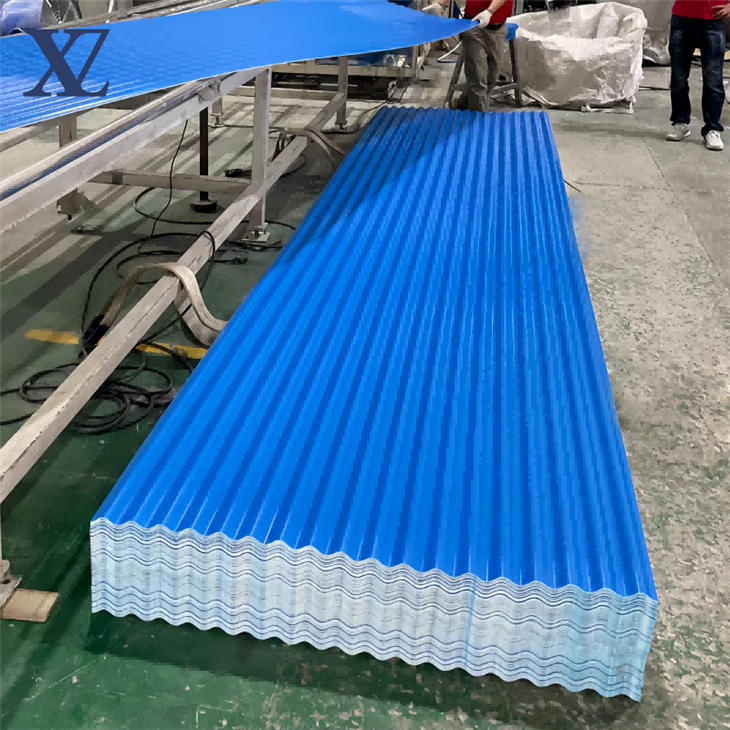

These roof tiles are available in a variety of colors and styles, making them a versatile choice for different architectural designs. They are also Waterproof ASA PVC Composite Roof Tile, which means they can effectively protect your building from water damage, and are resistant to extreme weather conditions such as heavy rain, strong winds, and hail.
General Principles of Roof Ventilation
Roof ventilation plays a crucial role in maintaining a healthy and energy - efficient building environment. The primary purposes of roof ventilation are to remove heat and moisture from the attic space. In hot weather, a well - ventilated attic can prevent excessive heat buildup, which can reduce the strain on your air - conditioning system and potentially lower energy costs. Moisture control is also essential because excessive moisture in the attic can lead to problems such as mold growth, wood rot, and damage to insulation.
There are two main types of roof ventilation: intake and exhaust ventilation. Intake vents are typically located near the eaves of the roof and allow fresh air to enter the attic. Exhaust vents, on the other hand, are usually placed at the ridge or high on the roof slope and expel the warm, moist air from the attic.
Ventilation Requirements for ASA PVC Composite Roof Tiles
ASA PVC composite roof tiles themselves do not have any inherent special ventilation requirements compared to other types of roofing materials. However, the overall ventilation strategy for your roof is still important for the longevity of the roof system and the comfort of the building's interior.
Heat Management
Like any roofing material, ASA PVC composite roof tiles can absorb heat from the sun. Without proper ventilation, the heat can be transferred into the attic, raising the temperature inside the building. Adequate ventilation helps to create a continuous flow of air through the attic, removing the hot air and preventing heat buildup.
It is recommended to follow the general industry guidelines for attic ventilation. A common rule of thumb is the 1:150 rule, which means that for every 150 square feet of attic floor space, there should be one square foot of net free ventilation area, evenly split between intake and exhaust vents. This helps to ensure that the attic remains at a reasonable temperature and protects the ASA PVC roof tiles from being exposed to excessive heat, which could potentially affect their performance over time.
Moisture Control
Moisture can be a concern in the attic, especially in areas with high humidity or where there is a significant amount of water vapor generated inside the building. ASA PVC composite roof tiles are waterproof, but if moisture accumulates in the attic, it can still cause problems such as mold and mildew growth, which can deteriorate the structure and insulation in the attic.
Good ventilation helps to remove the moist air from the attic, reducing the risk of moisture - related issues. Intake vents allow fresh, dry air to enter the attic, while exhaust vents expel the warm, moist air. This continuous air exchange helps to maintain a dry environment in the attic, protecting the integrity of the roof system and the ASA PVC roof tiles.
Factors Affecting Ventilation Needs
While the general ventilation principles apply to ASA PVC composite roof tiles, there are several factors that can affect the specific ventilation needs of a building:
Climate
The climate in which the building is located is a significant factor. In hot and humid climates, more ventilation may be required to remove both heat and moisture from the attic. In colder climates, ventilation is still important to prevent ice dams and moisture buildup, but the ventilation requirements may be different. For example, in cold climates, it is crucial to ensure that the attic is well - insulated to prevent heat loss while still maintaining proper ventilation.
Building Design
The design of the building, including the roof pitch, attic size, and presence of insulation, can also impact ventilation needs. A steeper roof pitch may allow for better natural air flow, while a larger attic space may require more ventilation to ensure effective air circulation. Insulation can create a barrier between the living space and the attic, but it is important to ensure that the ventilation system can still function properly to remove heat and moisture.
Occupancy and Usage
The way the building is used can also affect ventilation needs. Buildings with high levels of occupancy or activities that generate a lot of moisture, such as kitchens or bathrooms, may require additional ventilation to remove the excess moisture from the attic.
Special Considerations for ASA PVC Composite Roof Tiles
Although ASA PVC composite roof tiles do not have special ventilation requirements, there are a few considerations to keep in mind during the installation process:
Installation of Vents
When installing ASA PVC composite roof tiles, it is important to ensure that the vents are installed correctly. The vents should not interfere with the installation of the roof tiles, and they should be properly sealed to prevent water leakage. It is recommended to follow the manufacturer's instructions for vent installation and to use compatible venting products.
Maintenance of the Ventilation System
Regular maintenance of the ventilation system is essential to ensure its proper function. This includes checking the vents for blockages, such as leaves or debris, and ensuring that the intake and exhaust vents are not damaged. A well - maintained ventilation system will help to protect the ASA PVC roof tiles and the overall roof system.
Conclusion
In conclusion, ASA PVC composite roof tiles do not require any special ventilation compared to other roofing materials. However, proper roof ventilation is still crucial for the overall performance and longevity of the roof system. By following the general industry guidelines for attic ventilation, considering the specific factors of your building, and ensuring correct installation and maintenance of the ventilation system, you can ensure that your ASA PVC composite roof tiles provide long - lasting protection and a comfortable indoor environment.
If you are interested in purchasing our high - quality ASA PVC composite roof tiles or have any questions about ventilation or installation, please feel free to contact us for a detailed discussion. We are committed to providing you with the best roofing solutions tailored to your needs.
References
- Building Science Corporation. "Roof Ventilation Basics."
- National Roofing Contractors Association. "Ventilation Guidelines for Roofing Systems."