

Can thermal wall panels be used in historical buildings?
Oct 22, 2025
Leave a message
Hey there! As a supplier of thermal wall panels, I often get asked if these panels can be used in historical buildings. It's a super important question, and today, I'm gonna dive deep into this topic and share my thoughts.
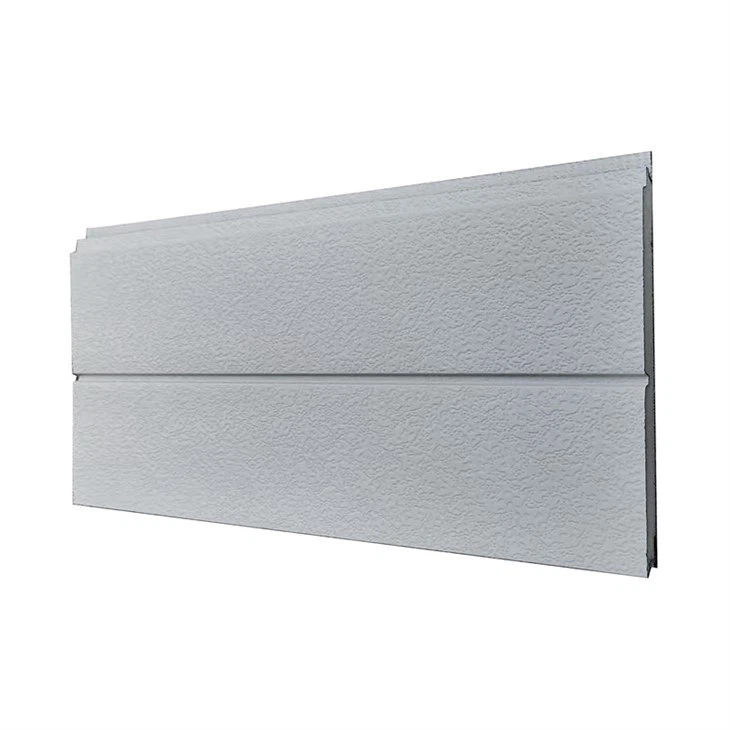
First off, let's talk about what thermal wall panels are. Thermal wall panels are designed to improve the energy efficiency of a building. They work by reducing heat transfer through the walls, which means less energy is needed to heat or cool the space inside. There are different types of thermal wall panels out there, like the White Interior Wall Decorative Board, the PU Polyurethane Sandwich Panel, and the Wood Grain Metal Siding for House. Each type has its own unique features and benefits.
Now, when it comes to historical buildings, things get a bit tricky. Historical buildings are not just structures; they're a part of our cultural heritage. They have a certain charm and character that we want to preserve. So, the big question is, can we install thermal wall panels in these buildings without ruining their historical value?
One of the main concerns with using thermal wall panels in historical buildings is the impact on the building's original structure. Historical buildings often have unique architectural features and construction methods that need to be protected. For example, some old buildings have thick stone walls that are part of their historical identity. Adding thermal wall panels might require drilling holes or making other modifications to the walls, which could damage the original structure.
Another concern is the aesthetic aspect. Historical buildings are known for their beautiful facades and interiors. The addition of thermal wall panels might change the look of the building, making it less authentic. For instance, if a building has a traditional brick exterior, covering it with a modern-looking thermal wall panel could take away from its historical charm.
But hey, it's not all bad news. There are ways to use thermal wall panels in historical buildings while still preserving their historical value. One approach is to use reversible installation methods. This means that the thermal wall panels can be removed without causing any permanent damage to the building. For example, some panels can be attached using adhesives that can be easily removed later.
Another option is to choose thermal wall panels that are designed to blend in with the building's existing architecture. For instance, there are panels that mimic the look of traditional materials like brick or stone. These panels can provide the energy-saving benefits of thermal insulation while still maintaining the building's historical appearance.
Let's take a look at some real-life examples. There have been several successful projects where thermal wall panels have been used in historical buildings. In one case, a historic church was struggling with high energy costs due to its poor insulation. The architects decided to install a layer of thermal wall panels on the interior walls. They chose panels that were made to look like the original plaster, so the change was barely noticeable. After the installation, the church saw a significant reduction in its energy bills, and the historical integrity of the building was preserved.
In another example, a historic mansion was renovated to make it more energy-efficient. The owners wanted to use thermal wall panels on the exterior walls, but they were worried about the impact on the building's appearance. The solution was to use custom-made panels that were designed to match the existing wood siding. The panels were installed in a way that didn't require any major modifications to the building's structure. As a result, the mansion now has better insulation, and its historical charm remains intact.
So, to sum it up, yes, thermal wall panels can be used in historical buildings, but it requires careful planning and consideration. Here are some key points to keep in mind:
- Assess the building's condition: Before installing thermal wall panels, it's important to conduct a thorough assessment of the building's structure and historical value. This will help you determine the best approach for installation.
- Choose the right panels: Select thermal wall panels that are suitable for the building's architecture and construction. Look for panels that can be installed reversibly and that blend in with the existing design.
- Work with experts: It's a good idea to work with architects, conservationists, and other professionals who have experience working with historical buildings. They can provide valuable advice and ensure that the installation is done correctly.
If you're thinking about using thermal wall panels in a historical building, I'd love to help. As a supplier of high-quality thermal wall panels, I can offer you a wide range of options to meet your needs. Whether you're looking for panels that are energy-efficient, aesthetically pleasing, or both, I've got you covered.

Contact me to discuss your project in more detail. Let's work together to find the best solution for your historical building and make it more energy-efficient without sacrificing its historical value.
References
- "Conservation of Historic Buildings: Principles and Practice" by John Ashurst and Nigel Crook
- "Energy Efficiency in Historic Buildings" by the National Trust for Historic Preservation