

Can pc roof tiles be used on historical buildings?
Jul 04, 2025
Leave a message
Can PC Roof Tiles Be Used on Historical Buildings?
As a supplier of PC roof tiles, I've often been asked whether these modern roofing materials are suitable for historical buildings. It's a question that involves considerations of aesthetics, historical integrity, and practicality. In this blog, I'll explore the feasibility of using PC roof tiles on historical structures, weighing the pros and cons to help you make an informed decision.
The Appeal of PC Roof Tiles
PC, or polycarbonate, roof tiles offer several advantages that make them an attractive option for roofing. First and foremost, they are incredibly durable. PC roof tiles are resistant to impact, weathering, and UV radiation, which means they can withstand the test of time and protect the building from the elements. Unlike traditional roofing materials such as clay or slate, PC roof tiles are lightweight, which can reduce the load on the building's structure and potentially lower installation costs.
Another significant benefit of PC roof tiles is their versatility. They come in a variety of colors, shapes, and textures, allowing for a high degree of customization. For example, you can choose from options like the Lake Blue PC Transparent Roof Tile, which offers a unique and modern aesthetic, or the Dark Brown Transparent PC Roof Tile, which can blend in with more traditional color schemes. Additionally, PC roof tiles can be manufactured to mimic the appearance of other roofing materials, providing a seamless look that complements the building's architecture.
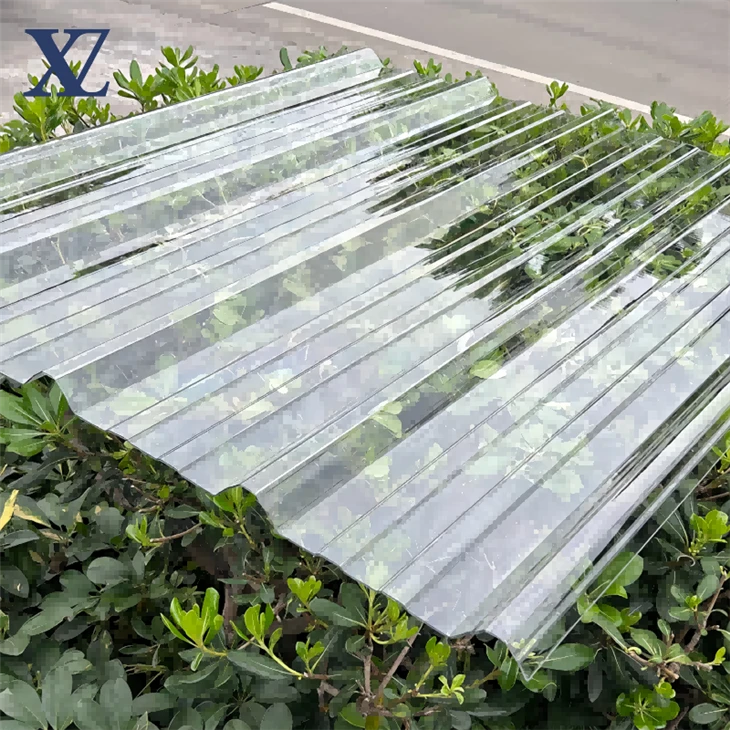

PC roof tiles also offer excellent insulation properties. They can help to regulate the temperature inside the building, reducing energy consumption and providing a more comfortable living or working environment. This is especially important for historical buildings, which may have limited insulation and be more susceptible to temperature fluctuations.
Challenges of Using PC Roof Tiles on Historical Buildings
While PC roof tiles have many advantages, there are also some challenges associated with using them on historical buildings. One of the primary concerns is maintaining the historical integrity of the structure. Historical buildings are often protected by local regulations and preservation guidelines, which may restrict the use of non - traditional roofing materials. These guidelines are in place to ensure that the building retains its original character and appearance, and using PC roof tiles may be seen as a departure from the building's historical fabric.
Aesthetics can also be a point of contention. Some people believe that the modern look of PC roof tiles may clash with the traditional architecture of historical buildings. The smooth, synthetic appearance of PC tiles may not match the rustic or weathered look of traditional roofing materials, such as slate or thatch. This can potentially detract from the overall visual appeal of the building and its historical significance.
Another challenge is the long - term impact on the building's heritage. Historical buildings are part of our cultural heritage, and any changes made to them should be reversible. While PC roof tiles are durable, they may have a different lifespan compared to traditional materials. If the tiles need to be replaced in the future, it could be difficult to restore the building to its original state, especially if the original roofing materials are no longer available.
Finding a Balance
Despite these challenges, it is possible to use PC roof tiles on historical buildings in a way that respects their heritage. The key is to approach the project with careful planning and consideration.
First, it's essential to consult with local historical preservation authorities. These experts can provide guidance on whether PC roof tiles are allowed and what specific requirements need to be met. They may have suggestions on how to install the tiles in a way that minimizes the visual impact and maintains the building's historical integrity.
When it comes to aesthetics, choosing the right type of PC roof tile is crucial. Opt for tiles that closely mimic the appearance of traditional roofing materials. For example, Polycarbonate Roof Tile products can be designed to have a more textured or aged look, making them more compatible with historical architecture. Additionally, working with an experienced architect or designer can help ensure that the tiles are installed in a way that complements the building's existing features.
It's also important to document the installation process thoroughly. Take detailed photographs and keep records of the materials used. This documentation can be valuable in the future if there are any questions about the installation or if the building needs to be restored.
Case Studies
There have been some successful examples of using PC roof tiles on historical buildings. In a small village in Europe, an old church was in need of a new roof. The local preservation authorities were initially hesitant about using PC roof tiles due to concerns about historical integrity. However, after careful consideration and consultation, a type of PC tile was selected that closely resembled the original slate roof. The tiles were installed in a way that followed the traditional roofing pattern, and the end result was a beautiful and functional roof that preserved the church's historical character while providing modern durability and insulation.
In another case, a historical school building in Asia was facing significant water damage from its old roof. The budget for the restoration was limited, and traditional roofing materials were too expensive. PC roof tiles were chosen as a cost - effective alternative. The tiles were designed to match the color and texture of the original tiles, and after installation, the building not only looked restored but also became more energy - efficient.
Conclusion
In conclusion, the question of whether PC roof tiles can be used on historical buildings is not a simple one. There are valid concerns about historical integrity and aesthetics, but with careful planning and the right approach, it is possible to use these modern materials in a way that respects the building's heritage.
If you are considering using PC roof tiles for a historical building project, I encourage you to reach out for more information. As a PC roof tile supplier, we have the expertise and products to help you find the right solution for your project. Whether it's matching the appearance of traditional roofing materials or ensuring compliance with preservation guidelines, we can work with you to make your project a success. Contact us to start a discussion about your roofing needs and how we can assist you in creating a beautiful and functional roof for your historical building.
References
- "Principles of Historic Preservation" by the National Trust for Historic Preservation
- "Roofing Materials and Their Impact on Historical Buildings" in the Journal of Architectural Conservation
- Case studies provided by local historical preservation societies