

Can EPS Sandwich Wall Panel be used for exterior walls?
Sep 16, 2025
Leave a message
As a supplier of EPS Sandwich Wall Panels, I often encounter inquiries from clients about the suitability of these panels for exterior walls. This blog post aims to comprehensively explore whether EPS Sandwich Wall Panels can be used for exterior walls, covering their properties, advantages, potential challenges, and practical applications.
Understanding EPS Sandwich Wall Panels
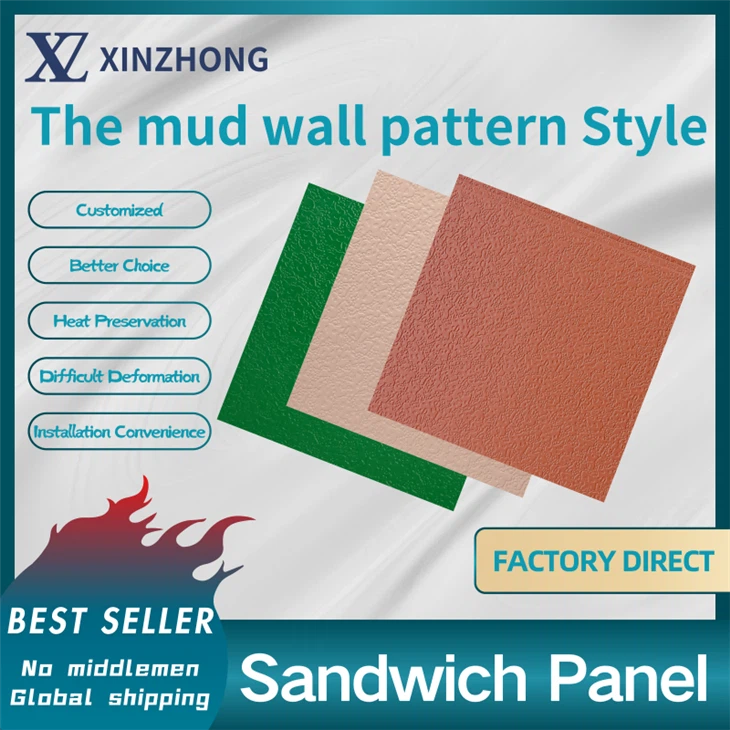
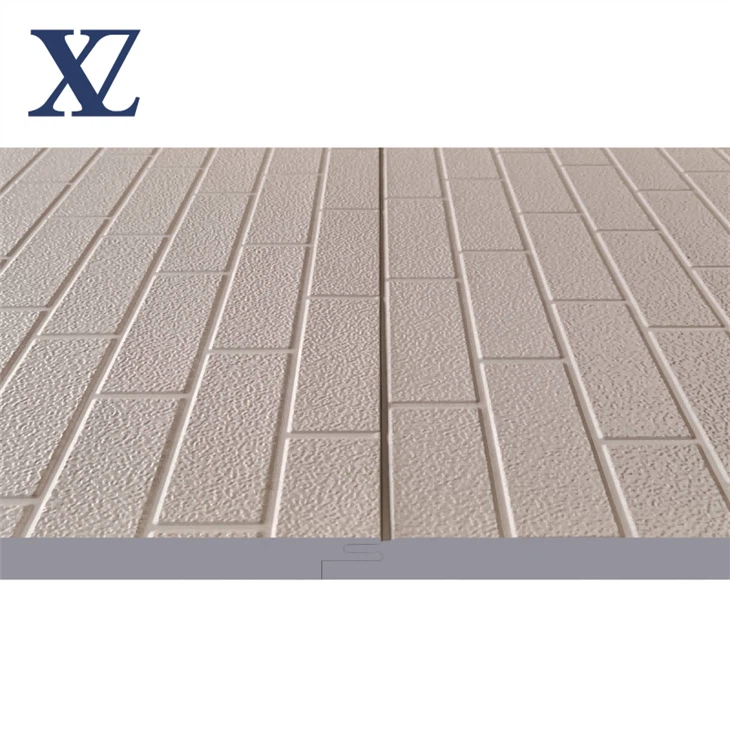
EPS Sandwich Wall Panels consist of an expanded polystyrene (EPS) core sandwiched between two layers of facing materials. The facing materials can vary, commonly including metal sheets such as galvanized steel or aluminum, but can also be other materials like cement boards or fiber - reinforced plastics. The EPS Sandwich Wall Panel is known for its lightweight nature, which is a significant advantage in construction projects. The EPS core provides excellent thermal insulation properties, making it an attractive option for energy - efficient buildings.
Advantages of Using EPS Sandwich Wall Panels for Exterior Walls
Thermal Insulation
One of the most prominent advantages of using EPS Sandwich Wall Panels for exterior walls is their superior thermal insulation capabilities. The EPS core has a low thermal conductivity, which means it can effectively reduce heat transfer between the interior and exterior of a building. This helps in maintaining a comfortable indoor temperature throughout the year, reducing the need for excessive heating or cooling. For example, in cold climates, the panels can prevent heat from escaping the building, while in hot climates, they can block the entry of external heat. As a result, buildings with EPS Sandwich Wall Panels on their exterior walls can achieve significant energy savings, which is not only environmentally friendly but also cost - effective for the building owners.
Lightweight and Easy Installation
EPS Sandwich Wall Panels are lightweight compared to traditional building materials such as bricks or concrete. This makes them easier to handle, transport, and install. The reduced weight also means that the building's foundation does not need to be as massive as it would be for heavier materials, which can save on construction costs. Additionally, the panels can be pre - fabricated in a factory, which allows for faster installation on - site. This can significantly shorten the construction time, enabling projects to be completed more quickly and reducing labor costs.
Cost - Effective
In terms of cost, EPS Sandwich Wall Panels are often more affordable than many traditional building materials. The lower material cost, combined with the savings on installation and energy consumption, makes them an economically viable option for exterior wall construction. Moreover, the long - term durability of these panels means that they require less maintenance over time, further reducing the overall cost of ownership.
Design Flexibility
EPS Sandwich Wall Panels come in a variety of colors, finishes, and sizes, offering a high degree of design flexibility. Architects and designers can choose the panels that best suit the aesthetic requirements of the building. Whether it is a modern, minimalist design or a more traditional look, the panels can be customized to achieve the desired appearance. This allows for the creation of unique and visually appealing buildings.
Potential Challenges and Mitigation Strategies
Fire Resistance
One of the main concerns when using EPS Sandwich Wall Panels for exterior walls is their fire resistance. EPS is a combustible material, and in the event of a fire, it can contribute to the spread of flames. However, modern EPS Sandwich Wall Panels can be treated with fire - retardant additives to improve their fire performance. Additionally, the facing materials used on the panels can also play a role in enhancing fire resistance. For example, metal facings can act as a barrier, preventing the fire from reaching the EPS core quickly. Building codes and regulations often specify the minimum fire - resistance requirements for exterior wall materials, and it is essential to ensure that the EPS Sandwich Wall Panels meet these standards.
Weather Resistance
Exterior walls are exposed to various weather conditions, including rain, wind, snow, and sunlight. EPS Sandwich Wall Panels need to be able to withstand these elements without significant degradation. The facing materials of the panels should be chosen carefully to provide adequate weather protection. For instance, metal facings are generally resistant to corrosion and can withstand harsh weather conditions. Regular inspections and maintenance can also help to ensure the long - term weather resistance of the panels.
Structural Integrity
While EPS Sandwich Wall Panels are lightweight, they still need to have sufficient structural integrity to support the loads imposed on the exterior walls. The design of the panels, including the thickness of the facing materials and the density of the EPS core, should be carefully considered to ensure that they can withstand wind loads, seismic forces, and other external pressures. In some cases, additional structural support may be required, especially in areas prone to extreme weather or seismic activity.
Practical Applications
EPS Sandwich Wall Panels are widely used in various types of buildings for exterior wall construction. They are commonly found in industrial buildings such as factories, warehouses, and workshops. The cost - effectiveness, easy installation, and thermal insulation properties make them an ideal choice for these types of structures.
In addition, EPS Sandwich Wall Panels are also used in commercial buildings such as offices, shopping malls, and hotels. The design flexibility allows architects to create modern and attractive facades, while the energy - saving features contribute to the overall operational efficiency of the building.
Residential buildings can also benefit from the use of EPS Sandwich Wall Panels for exterior walls. The thermal insulation helps to create a comfortable living environment, and the cost - effectiveness makes them an appealing option for homeowners. For example, the 70mm EPS Sandwich Panel can provide a good balance between insulation performance and cost for residential applications.
Conclusion
In conclusion, EPS Sandwich Wall Panels can indeed be used for exterior walls. They offer numerous advantages, including excellent thermal insulation, lightweight and easy installation, cost - effectiveness, and design flexibility. While there are some potential challenges, such as fire and weather resistance, these can be effectively addressed through proper material selection, treatment, and design.
If you are considering using EPS Sandwich Wall Panels for your next exterior wall construction project, I encourage you to reach out to us. As a professional supplier of EPS Foam Sandwich Panel, we have the expertise and experience to provide you with high - quality panels that meet your specific requirements. We can offer guidance on panel selection, installation, and maintenance to ensure the success of your project. Contact us today to start the procurement and negotiation process, and let us help you build a more energy - efficient and beautiful building.
References
- ASTM International. (Year). Standard specifications for EPS Sandwich Wall Panels.
- Building Research Establishment. (Year). Fire performance of EPS - based building materials.
- National Institute of Standards and Technology. (Year). Thermal properties of EPS Sandwich Wall Panels.