

Can eps sandwich panels be used for animal shelters?
Oct 20, 2025
Leave a message
Can EPS Sandwich Panels Be Used for Animal Shelters?
As a supplier of EPS sandwich panels, I've received numerous inquiries regarding the suitability of these panels for animal shelters. In this blog post, I'll delve into the various aspects of using EPS sandwich panels for this purpose, exploring their advantages, potential drawbacks, and the overall feasibility.
Advantages of EPS Sandwich Panels for Animal Shelters
Insulation Properties
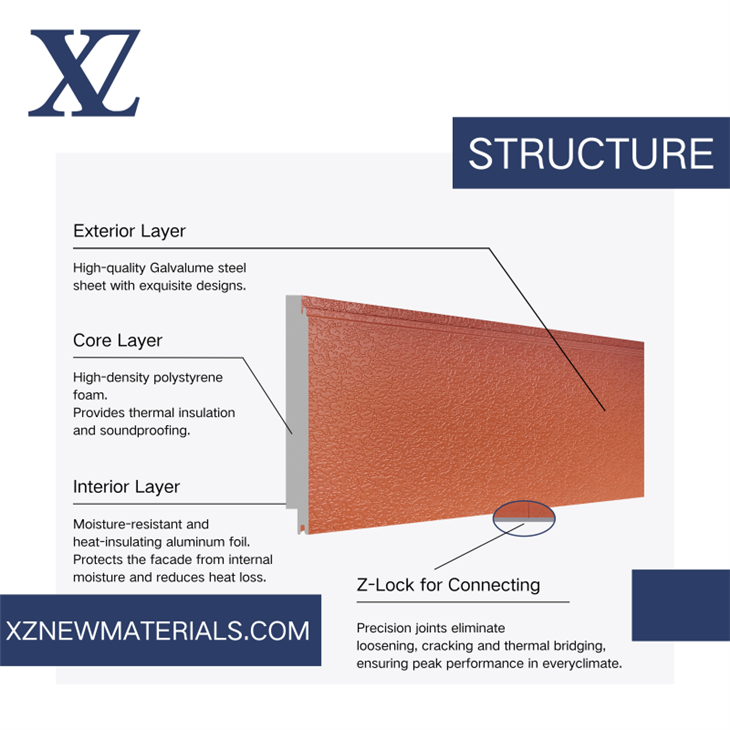
One of the most significant advantages of EPS (Expanded Polystyrene) sandwich panels is their excellent insulation capabilities. EPS is a lightweight and highly insulating material, which means that shelters constructed using these panels can maintain a more stable internal temperature. This is crucial for the well - being of animals, especially in regions with extreme weather conditions. For example, in cold climates, the panels can prevent heat loss, keeping the shelter warm and comfortable. In hot climates, they can reduce the amount of heat entering the shelter, preventing overheating.
The insulation provided by EPS Sandwich Wall Panel helps to create a micro - environment within the shelter that is less affected by external temperature fluctuations. This can be particularly beneficial for animals that are sensitive to temperature changes, such as young animals, elderly animals, or those with certain health conditions.
Lightweight and Easy to Install
EPS sandwich panels are relatively lightweight compared to traditional building materials like bricks or concrete. This makes them easier to handle and install, reducing the time and labor required for constructing an animal shelter. The panels can be pre - fabricated off - site and then quickly assembled on the location, minimizing disruption to the surrounding area.
The ease of installation also means that even individuals with limited construction experience can build a basic animal shelter using these panels. This can be a cost - effective solution for small - scale animal shelters or for those on a tight budget.
Cost - Effective
In terms of cost, EPS sandwich panels are often more affordable than many other building materials. The lower material cost, combined with the reduced labor and installation time, makes them an attractive option for animal shelter construction. This is especially important for non - profit animal shelters or rescue organizations that operate on limited budgets.
Additionally, the long - term cost savings associated with the insulation properties of EPS panels should not be overlooked. By reducing the need for heating or cooling systems, the operational costs of the animal shelter can be significantly reduced over time.
Durability
EPS sandwich panels are designed to be durable and resistant to various environmental factors. They are generally resistant to moisture, rot, and pests, which are common problems in animal shelters. The outer layers of the sandwich panels provide protection to the EPS core, ensuring that the panels maintain their structural integrity over time.
This durability means that the animal shelter can withstand the wear and tear associated with daily use, as well as the challenges posed by different weather conditions. As a result, the shelter will require less maintenance and have a longer lifespan, providing a more stable and secure environment for the animals.
Potential Drawbacks of EPS Sandwich Panels for Animal Shelters
Fire Resistance
One of the main concerns with EPS sandwich panels is their fire resistance. EPS is a combustible material, and in the event of a fire, it can contribute to the spread of flames. However, many modern EPS sandwich panels are treated with fire - retardant chemicals to improve their fire performance.
When considering using EPS sandwich panels for an animal shelter, it is essential to ensure that the panels meet the relevant fire safety standards. This may involve choosing panels with a higher fire - rating or implementing additional fire - prevention measures within the shelter, such as installing fire alarms and sprinkler systems.
Aesthetic Limitations
EPS sandwich panels may not offer the same aesthetic appeal as some traditional building materials. They have a more industrial look, which may not be suitable for all types of animal shelters, especially those in more visible or public locations. However, there are some options available to improve the appearance of the panels, such as painting or covering them with decorative finishes.
Structural Strength
While EPS sandwich panels are generally strong enough for most animal shelter applications, they may not be suitable for large - scale or heavy - duty shelters. In some cases, additional structural support may be required, especially if the shelter is designed to house large animals or if it is located in an area prone to high winds or seismic activity.

Feasibility and Considerations
When deciding whether to use EPS sandwich panels for an animal shelter, several factors need to be considered.
Animal Requirements
The type of animals that will be housed in the shelter is a crucial consideration. Different animals have different needs in terms of space, temperature, and ventilation. For example, a shelter for small rodents may require a different design and insulation level compared to a shelter for large dogs or horses.
It is important to ensure that the EPS sandwich panels can provide the necessary conditions for the specific animals. For instance, if the animals produce a lot of moisture through respiration or excretion, proper ventilation systems need to be incorporated into the shelter design to prevent the build - up of humidity, which could potentially damage the EPS panels.
Local Regulations
Before starting the construction of an animal shelter using EPS sandwich panels, it is essential to check the local building regulations and codes. Some areas may have specific requirements regarding the use of certain building materials, especially in terms of fire safety and environmental impact.
Complying with local regulations not only ensures the safety and legality of the animal shelter but also helps to avoid potential fines or legal issues in the future.
Design and Layout
The design and layout of the animal shelter are also important factors. The panels should be arranged in a way that maximizes the use of space and provides easy access for cleaning, feeding, and veterinary care. The shelter should also have proper ventilation and lighting to ensure the health and well - being of the animals.
For example, the 70mm EPS Sandwich Panel may be more suitable for larger shelters or those in colder climates, while the 50mm EPS Sandwich Panel could be used for smaller shelters or in milder climates.
Conclusion
In conclusion, EPS sandwich panels can be a viable option for animal shelters, offering several advantages such as insulation, ease of installation, cost - effectiveness, and durability. However, it is important to be aware of the potential drawbacks, especially in terms of fire resistance and aesthetic limitations.
By carefully considering the specific needs of the animals, complying with local regulations, and designing the shelter appropriately, EPS sandwich panels can provide a practical and cost - effective solution for housing animals.
If you are interested in using EPS sandwich panels for your animal shelter project, I encourage you to contact us for more information. Our team of experts can provide you with detailed product specifications, guidance on installation, and help you select the most suitable panels for your specific requirements. We look forward to discussing your project and working with you to create a safe and comfortable environment for your animals.
References
- Building Materials Handbook: A Guide to Construction Materials and Their Properties.
- Fire Safety Standards for Building Materials.
- Animal Shelter Design and Construction Best Practices.