

Can EPS foam sandwich panel be used in sports facilities?
Nov 28, 2025
Leave a message
As a supplier of EPS Foam Sandwich Panels, I've received numerous inquiries about the suitability of these panels for sports facilities. This blog post aims to explore the potential of EPS foam sandwich panels in sports - related construction projects, discussing their advantages, limitations, and practical applications.
Advantages of EPS Foam Sandwich Panels for Sports Facilities
1. Insulation Properties
One of the most significant benefits of EPS Foam Sandwich Panel is its excellent insulation capabilities. In sports facilities, maintaining a comfortable indoor temperature is crucial, whether it's a large - scale stadium or a small local gym. EPS foam has a low thermal conductivity, which means it can effectively reduce heat transfer between the interior and exterior of the building. This helps in keeping the facility warm during cold seasons and cool during hot summers, reducing the energy consumption of heating and cooling systems. For example, in an ice - skating rink, proper insulation is essential to maintain the low temperature required for the ice surface. EPS foam sandwich panels can contribute to creating a stable thermal environment, ensuring the quality of the ice and the comfort of the skaters.
2. Lightweight Nature
EPS foam sandwich panels are relatively lightweight compared to traditional building materials such as bricks and concrete. This characteristic makes them easier and more cost - effective to transport and install. In the construction of sports facilities, where large areas need to be covered quickly, the lightweight nature of these panels can significantly speed up the construction process. For instance, when building a temporary sports arena for a local event, the ease of installation of EPS foam sandwich panels allows for rapid assembly and disassembly, saving both time and labor costs.
3. Cost - Effectiveness
In terms of cost, EPS foam sandwich panels offer a competitive advantage. The raw materials used in manufacturing these panels are relatively inexpensive, and the production process is efficient. Additionally, their lightweight nature reduces transportation costs, and the ease of installation cuts down on labor expenses. For community sports centers with limited budgets, EPS foam sandwich panels can be an ideal choice, providing a cost - effective solution without sacrificing too much on quality.
4. Design Flexibility
EPS foam sandwich panels can be customized in terms of size, shape, and color. This design flexibility is highly beneficial for sports facilities, which often have unique architectural requirements. Whether it's a modern - looking basketball court or a futuristic - style swimming pool complex, the panels can be tailored to meet the specific design needs of the project. They can also be easily integrated with other building components, allowing for a seamless and aesthetically pleasing finish.
Limitations of EPS Foam Sandwich Panels in Sports Facilities
1. Fire Resistance
One of the main concerns with EPS foam sandwich panels is their relatively low fire resistance. EPS foam is flammable, and in the event of a fire, it can contribute to the spread of flames and the release of toxic gases. In sports facilities, where there are large numbers of people, fire safety is of utmost importance. However, this limitation can be mitigated through the use of fire - retardant coatings or by combining EPS foam sandwich panels with other fire - resistant building materials.
2. Durability
Although EPS foam sandwich panels are generally durable, they may not be as long - lasting as some traditional building materials in harsh environments. For example, in outdoor sports facilities exposed to extreme weather conditions such as heavy rain, strong winds, and intense sunlight, the panels may experience some degradation over time. Regular maintenance and proper installation are necessary to ensure their long - term performance.
Practical Applications of EPS Foam Sandwich Panels in Sports Facilities
1. Wall and Roof Construction
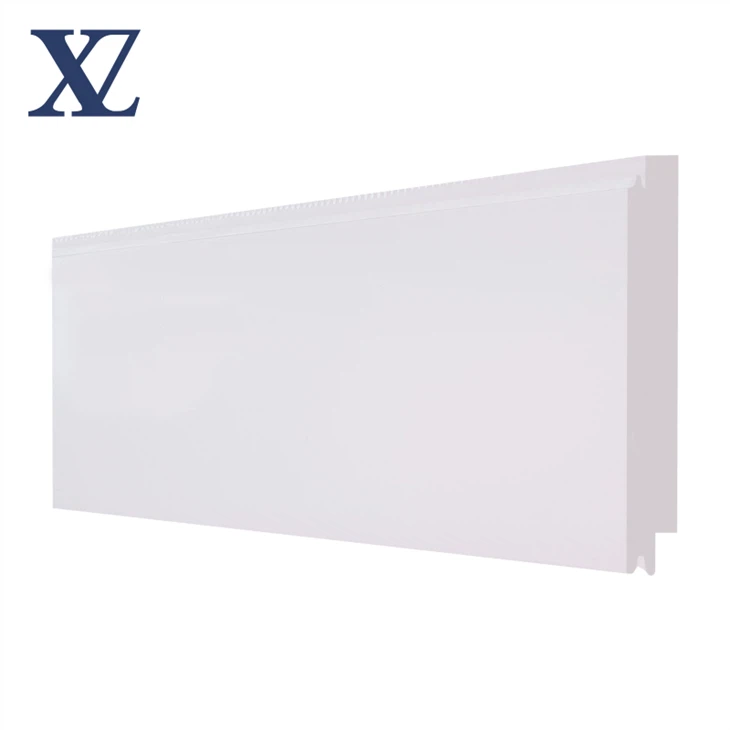
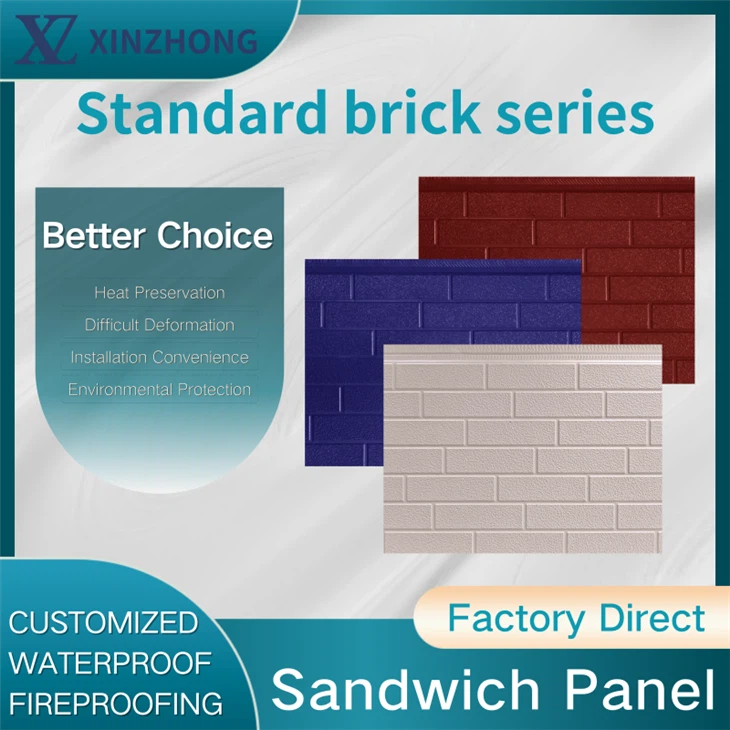
EPS foam sandwich panels are commonly used for wall and roof construction in sports facilities. As EPS Sandwich Wall Panel, they can provide a continuous insulation layer, reducing heat loss and improving energy efficiency. On the roof, the lightweight nature of the panels helps to reduce the load on the building structure. For example, in a badminton hall, the use of EPS foam sandwich panels for walls and roofs can create a comfortable and energy - efficient playing environment.
2. Partition Walls
In large sports complexes, partition walls are often needed to separate different functional areas such as changing rooms, storage areas, and spectator seating. EPS foam sandwich panels can be used to construct these partition walls due to their ease of installation and cost - effectiveness. They can also be designed to have sound - insulating properties, reducing noise transmission between different areas of the facility.
3. Temporary Structures
As mentioned earlier, the lightweight and easy - to - install nature of EPS foam sandwich panels makes them ideal for temporary sports structures. For major sporting events such as the Olympics or the World Cup, temporary venues are often built to accommodate the large number of athletes and spectators. EPS foam sandwich panels can be used to quickly construct these temporary facilities, which can be disassembled and reused after the event.
Case Studies
1. Local Community Gym
A local community gym in a small town decided to renovate its existing building using EPS foam sandwich panels. The gym was facing high energy costs due to poor insulation. By installing 50mm EPS Sandwich Panel on the walls and roof, the gym was able to reduce its energy consumption by up to 30%. The lightweight panels were also easy to install, minimizing the disruption to the gym's operations during the renovation process. The new panels also gave the gym a more modern and professional look, attracting more members.
2. Temporary Sports Arena
For a regional sports tournament, a temporary arena was constructed using EPS foam sandwich panels. The arena was built in just two weeks, thanks to the quick installation process of the panels. After the tournament, the panels were disassembled and stored for future use, saving a significant amount of money compared to building a permanent structure.
Conclusion
In conclusion, EPS foam sandwich panels have both advantages and limitations when it comes to their use in sports facilities. Their insulation properties, lightweight nature, cost - effectiveness, and design flexibility make them a viable option for many sports - related construction projects. However, the concerns regarding fire resistance and durability need to be carefully addressed. With proper design, installation, and maintenance, EPS foam sandwich panels can play an important role in the construction of modern and efficient sports facilities.
If you are considering using EPS foam sandwich panels for your sports facility project, I encourage you to contact us for more information. We can provide you with detailed product specifications, cost estimates, and professional advice to help you make an informed decision. Whether it's a small local gym or a large - scale stadium, our EPS foam sandwich panels can be customized to meet your specific needs.
References
- Building Materials Handbook: A Guide to the Properties and Applications of Construction Materials.
- Research on Energy - Efficient Building Envelopes in Sports Facilities.
- Case Studies of Innovative Building Technologies in Sports Construction.