

Can asa pvc composite roof tiles be used in areas with sandstorms?
Aug 13, 2025
Leave a message
Can ASA PVC Composite Roof Tiles Be Used in Areas with Sandstorms?
As a supplier of ASA PVC composite roof tiles, I often receive inquiries from customers in various regions. One question that frequently comes up is whether our ASA PVC Roof Tile can be used in areas prone to sandstorms. In this blog post, I will delve into the characteristics of ASA PVC composite roof tiles and analyze their suitability for sandstorm - affected areas.
Understanding ASA PVC Composite Roof Tiles
ASA PVC composite roof tiles are a type of roofing material that combines the advantages of Acrylonitrile - Styrene - Acrylate (ASA) and Polyvinyl Chloride (PVC). ASA is a high - performance polymer known for its excellent weather resistance, UV stability, and color retention. PVC, on the other hand, is a strong and durable plastic with good chemical resistance and mechanical properties.
The combination of these two materials results in a roof tile that is lightweight, easy to install, and has a long service life. Our Waterproof ASA PVC Composite Roof Tile is also designed to be waterproof, which is crucial for protecting the interior of buildings from water damage.
Resistance to Abrasion
One of the main concerns in sandstorm - prone areas is the abrasion caused by sand particles carried by strong winds. ASA PVC composite roof tiles have a relatively high resistance to abrasion. The ASA layer on the surface of the tile acts as a protective shield. It has a smooth texture that reduces the friction between the sand particles and the tile surface.
In addition, the ASA material is formulated to be tough and durable. Laboratory tests have shown that ASA PVC composite roof tiles can withstand a certain amount of abrasion without significant damage to their surface finish or structural integrity. However, in extremely severe sandstorms with large - sized sand particles and high - speed winds, some minor abrasion may still occur over time.
Impact Resistance
Sandstorms often come with strong winds that can carry debris and sand at high speeds. These flying objects can cause impact damage to roofing materials. ASA PVC composite roof tiles have good impact resistance. The PVC base layer provides a certain degree of flexibility, allowing the tile to absorb the energy from impacts without cracking or breaking easily.
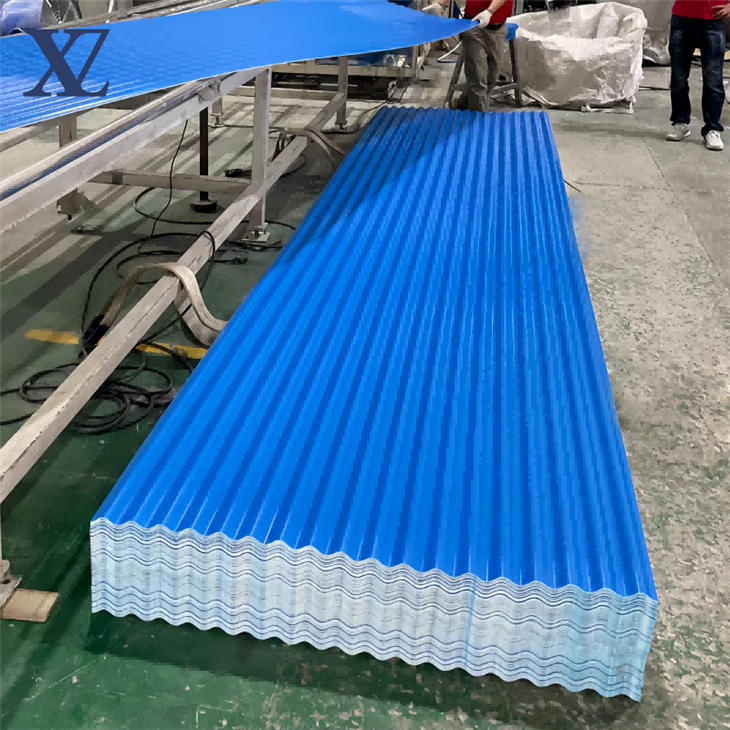

This is especially important in sandstorm - affected areas, as even small cracks in the roof tiles can lead to water leakage and other problems. Our tests have demonstrated that ASA PVC composite roof tiles can withstand impacts from small - to medium - sized debris commonly found in sandstorms.
Weather Resistance
ASA PVC composite roof tiles are well - known for their excellent weather resistance. The ASA layer is highly resistant to UV radiation, which is important in areas with strong sunlight often associated with sandstorms. Prolonged exposure to UV rays can cause other roofing materials to fade, become brittle, and lose their performance over time. But ASA PVC composite roof tiles can maintain their color and mechanical properties for many years under harsh sunlight conditions.
Moreover, these tiles are resistant to temperature variations. Sandstorm - prone areas often experience large temperature differences between day and night. ASA PVC composite roof tiles can expand and contract with the temperature changes without warping or deforming, ensuring a stable and long - lasting roofing solution.
Dust and Sand Accumulation
In sandstorm - affected areas, dust and sand accumulation on the roof is a common problem. ASA PVC composite roof tiles have a smooth surface, which makes it difficult for dust and sand to adhere to them. When the sandstorm passes, most of the sand and dust can be easily washed away by rain or removed by wind.
This self - cleaning property helps to maintain the aesthetic appearance of the roof and also prevents the accumulation of debris that could potentially cause blockages in the roof drainage system.
Installation and Maintenance
Installing ASA PVC composite roof tiles in sandstorm - prone areas is relatively straightforward. Their lightweight nature makes them easier to handle and install compared to traditional roofing materials such as clay or concrete tiles. This can reduce the installation time and labor costs.
In terms of maintenance, these tiles require minimal upkeep. Regular inspections to check for any signs of damage or debris accumulation are recommended. In case of minor abrasions or scratches, they can often be repaired easily. And if a tile is severely damaged, it can be replaced quickly and cost - effectively.
Conclusion
In conclusion, ASA PVC composite roof tiles can be a suitable roofing option for areas with sandstorms. Their resistance to abrasion, impact, and weather, along with their self - cleaning properties, make them well - equipped to handle the challenges posed by sandstorms.
However, it is important to note that the performance of the roof tiles also depends on the severity and frequency of sandstorms in a particular area. In extremely harsh sandstorm conditions, additional protective measures or more frequent maintenance may be required.
If you are considering using ASA PVC composite roof tiles for your project in a sandstorm - prone area, we encourage you to contact us for more detailed information. Our team of experts can provide you with customized solutions based on your specific requirements. We are committed to providing high - quality roofing products and excellent customer service. Whether you are a builder, a homeowner, or a contractor, we look forward to discussing your roofing needs and helping you make the best choice for your project.
References
- ASTM International. Standard test methods for abrasion resistance of plastic sheeting. ASTM D1044 - 19.
- International Building Code. Requirements for roofing materials in high - wind and extreme - weather areas.
- Manufacturer's technical data sheets for ASA PVC composite roof tiles.