

Can asa pvc composite roof tiles be used in areas with high wind - driven rain?
Sep 16, 2025
Leave a message
Hey there! As a supplier of ASA PVC composite roof tiles, I often get asked if these tiles can be used in areas with high wind-driven rain. Well, let's dive right into this topic and find out.
First off, let's understand what ASA PVC composite roof tiles are. ASA (Acrylonitrile Styrene Acrylate) is a high-performance polymer known for its excellent weather resistance, color retention, and impact resistance. PVC (Polyvinyl Chloride), on the other hand, is a widely used plastic material that offers good durability and chemical resistance. When these two materials are combined, they create a roof tile that has the best of both worlds.
The Basics of Wind-Driven Rain
Before we talk about how ASA PVC composite roof tiles hold up against wind-driven rain, let's understand what wind-driven rain is. Wind-driven rain occurs when strong winds carry raindrops horizontally or at an angle, rather than just falling straight down. This can cause water to penetrate building envelopes more easily, leading to potential water damage inside the building.
In areas with high wind-driven rain, buildings need roofing materials that can withstand the force of the wind and prevent water from seeping through. So, how do ASA PVC composite roof tiles stack up?
Water Resistance of ASA PVC Composite Roof Tiles
One of the key features of Waterproof ASA PVC Composite Roof Tile is their excellent water resistance. The PVC component of the tile forms a tight seal that prevents water from passing through. Additionally, the ASA layer provides an extra layer of protection, making the tile highly resistant to water penetration.
The tiles are designed with a special interlocking system that further enhances their water resistance. When the tiles are installed correctly, the interlocking mechanism creates a barrier that stops water from getting under the tiles and into the building. This is especially important in areas with high wind-driven rain, where water can be forced under the tiles if they are not properly sealed.
Wind Resistance of ASA PVC Composite Roof Tiles
In addition to water resistance, ASA PVC composite roof tiles also have good wind resistance. The ASA layer gives the tiles strength and flexibility, allowing them to withstand strong winds without cracking or breaking. The tiles are also lightweight, which means they are less likely to be lifted off the roof by high winds.
Many ASA PVC composite roof tiles are tested to meet certain wind resistance standards. For example, some tiles are designed to withstand wind speeds of up to 120 miles per hour. This makes them suitable for use in areas prone to hurricanes, typhoons, and other high-wind events.
Installation Considerations
While ASA PVC composite roof tiles are designed to be water and wind-resistant, proper installation is crucial. In areas with high wind-driven rain, it's important to follow the manufacturer's installation instructions carefully. This may include using additional fasteners or sealants to ensure a tight fit.
A professional installer should be able to assess the specific conditions of the site and make any necessary adjustments to the installation process. For example, in areas with very high winds, the installer may recommend using a stronger adhesive or adding more screws to secure the tiles.
Case Studies
There are many real-world examples of ASA PVC composite roof tiles being used successfully in areas with high wind-driven rain. For instance, in coastal regions where hurricanes are common, many homeowners have chosen ASA PVC Roof Tile for their durability and performance.
In one case, a house in a hurricane-prone area was fitted with ASA PVC composite roof tiles. During a recent hurricane, the roof withstood the high winds and driving rain without any signs of damage. The homeowners were very satisfied with the performance of the tiles and reported that there was no water leakage inside the house.
Maintenance
Another advantage of ASA PVC composite roof tiles is that they require minimal maintenance. Unlike some traditional roofing materials, they do not need to be painted or treated regularly. They are also resistant to mold, mildew, and algae growth, which can be a problem in areas with high humidity and rainfall.
To keep the tiles in good condition, all you need to do is clean them occasionally with a mild detergent and water. This will remove any dirt or debris that may have accumulated on the surface of the tiles.
Cost-Effectiveness
When it comes to cost, ASA PVC composite roof tiles are often a more affordable option compared to some other roofing materials. They have a long lifespan, which means you won't have to replace them as often. This can save you money in the long run.
In addition, the energy efficiency of ASA PVC composite roof tiles can also help reduce your energy bills. The tiles reflect sunlight, which helps keep the interior of the building cooler in the summer. This can lead to lower air conditioning costs.
Conclusion
So, can ASA PVC composite roof tiles be used in areas with high wind-driven rain? The answer is a resounding yes! These tiles offer excellent water and wind resistance, are easy to install and maintain, and are cost-effective.
If you're looking for a reliable roofing solution for your property in a high wind-driven rain area, consider Waterproof ASA PVC Composite Roof Tile. Our team of experts is here to help you choose the right tiles for your needs and ensure a proper installation.

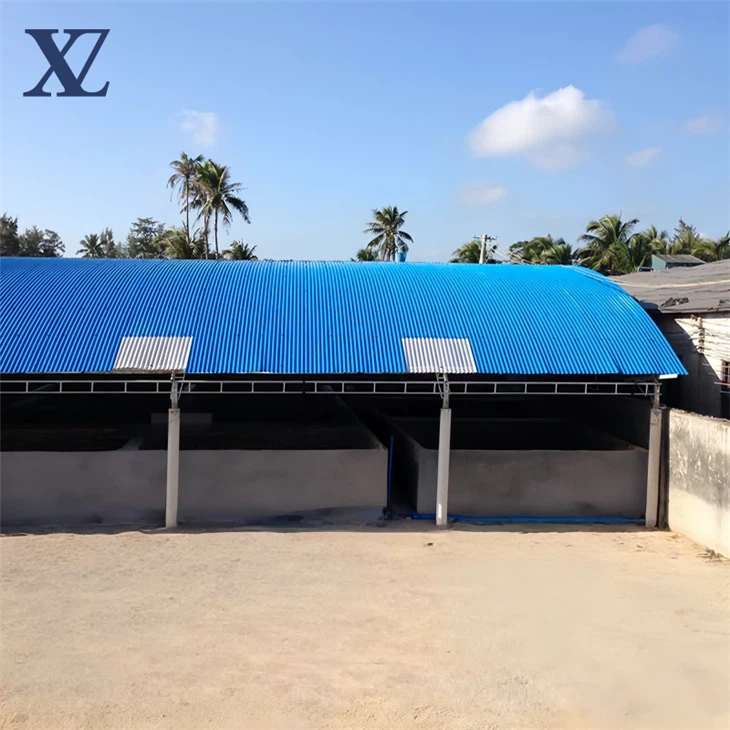
If you're interested in purchasing ASA PVC composite roof tiles or have any questions, feel free to reach out to us. We'd be happy to discuss your project and provide you with a quote. Let's work together to give your property a durable and beautiful roof that can withstand the elements.
References
- Manufacturer's specifications for ASA PVC composite roof tiles
- Industry research on roofing materials in high wind-driven rain areas
- Case studies of ASA PVC composite roof tile installations in coastal regions