

Are thermal wall panels energy - efficient?
Jan 02, 2026
Leave a message
In the quest for sustainable living and energy - efficient homes, thermal wall panels have emerged as a popular solution. As a supplier of thermal wall panels, I've witnessed firsthand the growing interest in these innovative products. But the question remains: Are thermal wall panels truly energy - efficient? Let's delve into the science, benefits, and real - world applications to find out.
Understanding Thermal Wall Panels
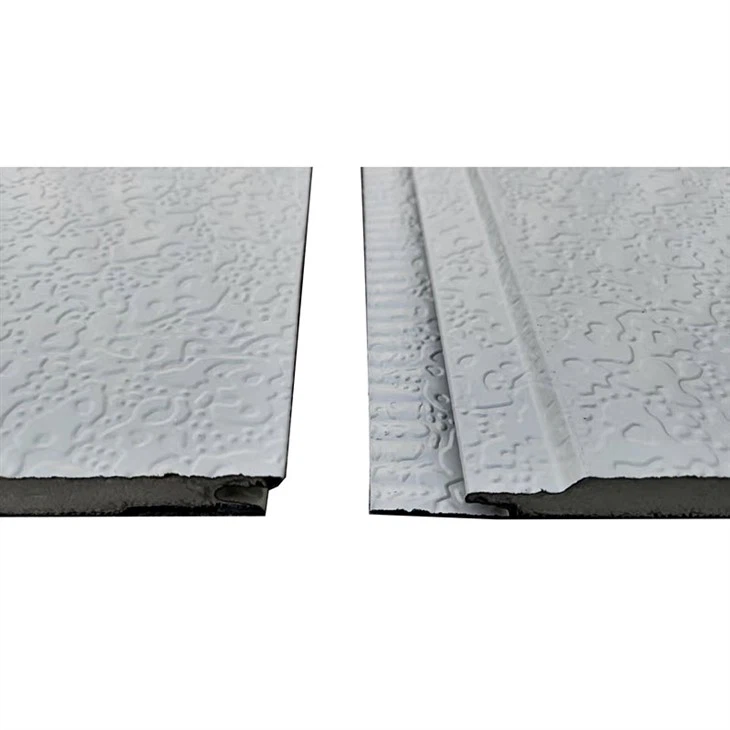
Thermal wall panels are designed to improve the thermal performance of buildings. They are typically made up of an insulating core, which can be composed of materials like expanded polystyrene (EPS), polyurethane (PU), or mineral wool, sandwiched between two outer layers. These outer layers can be made of various materials such as metal, wood, or composite materials, depending on the application and aesthetic requirements.
One of our popular products, the PU Polyurethane Sandwich Panel, features a high - quality polyurethane core. Polyurethane is known for its excellent insulation properties, with a low thermal conductivity that can effectively reduce heat transfer through the walls.
How Thermal Wall Panels Improve Energy Efficiency
The primary way thermal wall panels enhance energy efficiency is by reducing heat transfer. In cold climates, they prevent the warm air inside the building from escaping to the outside, thus reducing the need for excessive heating. Conversely, in hot climates, they block the external heat from entering the building, minimizing the reliance on air - conditioning.
Insulation Properties
The insulating core of thermal wall panels acts as a barrier to heat flow. For example, a well - insulated panel with a high R - value (a measure of thermal resistance) can significantly reduce the amount of heat that passes through the wall. This means that the heating and cooling systems in a building equipped with thermal wall panels don't have to work as hard to maintain a comfortable indoor temperature, resulting in lower energy consumption.
Air Sealing
Thermal wall panels also contribute to better air sealing. When properly installed, they can fill gaps and cracks in the building envelope, preventing air leakage. Air leakage is a major cause of energy loss in buildings, as it allows conditioned air to escape and unconditioned air to enter. By reducing air leakage, thermal wall panels help to maintain a more stable indoor environment and reduce energy waste.
Real - World Benefits of Energy - Efficient Thermal Wall Panels
The energy - saving benefits of thermal wall panels translate into several real - world advantages for building owners and occupants.
Cost Savings
One of the most significant benefits is cost savings on energy bills. By reducing the energy consumption of heating and cooling systems, thermal wall panels can lead to substantial long - term savings. For commercial buildings, these savings can be particularly significant, as they often have large heating and cooling loads.
Environmental Impact
Lower energy consumption also means a reduced carbon footprint. Buildings are responsible for a significant portion of global energy consumption and greenhouse gas emissions. By using energy - efficient thermal wall panels, we can contribute to a more sustainable future by reducing the demand for fossil fuels and lowering emissions.
Comfort
In addition to energy savings and environmental benefits, thermal wall panels can also improve the comfort of building occupants. They help to maintain a more consistent indoor temperature, reducing temperature fluctuations and drafts. This creates a more pleasant living or working environment, which can enhance productivity and well - being.
Applications of Thermal Wall Panels
Thermal wall panels can be used in a wide range of applications, from residential homes to commercial buildings.
Residential Buildings
In residential construction, thermal wall panels can be used for both interior and exterior applications. For interior walls, our White Interior Wall Decorative Board not only provides excellent insulation but also adds a touch of elegance to the living space. On the exterior, House Exterior Decorative Panels can enhance the energy efficiency of the home while improving its curb appeal.
Commercial Buildings
Commercial buildings, such as offices, warehouses, and retail stores, can also benefit greatly from thermal wall panels. These panels can help to reduce the energy costs associated with large - scale heating and cooling systems, making the building more cost - effective to operate.
Factors Affecting the Energy Efficiency of Thermal Wall Panels
While thermal wall panels have the potential to be highly energy - efficient, several factors can affect their performance.

Installation Quality
Proper installation is crucial for achieving optimal energy efficiency. If the panels are not installed correctly, there may be gaps or voids that can compromise their insulation properties and air - sealing capabilities. It's important to work with experienced installers who are familiar with the specific requirements of thermal wall panels.
Panel Thickness and Density
The thickness and density of the panel also play a role in its energy efficiency. Generally, thicker panels with higher densities offer better insulation. However, it's important to balance these factors with other considerations, such as cost and space limitations.
Climate Conditions
The climate in which the building is located also affects the performance of thermal wall panels. In regions with extreme temperature variations, more robust insulation may be required to achieve significant energy savings.
Case Studies: Energy Savings with Thermal Wall Panels
To illustrate the energy - saving potential of thermal wall panels, let's look at a few case studies.
Residential Case Study
A homeowner in a cold climate decided to retrofit their old home with thermal wall panels. Before the installation, their monthly heating bill was quite high, averaging around $300 during the winter months. After installing high - quality thermal wall panels, the heating bill dropped to approximately $150 per month, a 50% reduction. The homeowner also noticed a significant improvement in the comfort of their home, with fewer cold spots and drafts.
Commercial Case Study
A commercial warehouse in a hot climate installed thermal wall panels on its exterior walls. Prior to the installation, the warehouse's air - conditioning system was running constantly, resulting in high energy costs. After the installation, the energy consumption of the air - conditioning system decreased by 30%, leading to substantial cost savings for the business.
Conclusion
In conclusion, thermal wall panels are indeed energy - efficient. Their ability to reduce heat transfer, improve air sealing, and provide long - term cost savings make them a valuable investment for both residential and commercial buildings. As a supplier of thermal wall panels, I'm proud to offer products that not only meet the highest standards of energy efficiency but also enhance the comfort and aesthetics of buildings.
If you're interested in learning more about our thermal wall panels or are considering a project that could benefit from their energy - saving properties, I encourage you to reach out. We'd be happy to discuss your specific needs and provide you with detailed information and a customized solution. Let's work together to create more energy - efficient and sustainable buildings.
References
- ASHRAE Handbook of Fundamentals. American Society of Heating, Refrigerating and Air - Conditioning Engineers.
- Building Energy Codes Program. U.S. Department of Energy.
- International Energy Agency. Energy Efficiency in Buildings.